Dr Sumit Choudhary
Pain Research Data
Scientific evidence, clinical studies, brain imaging research, and recovery data supporting neuroplastic pain treatment.
False Danger, True Pain
It may be tempting to chuckle at these stories, but the truth is it could happen to any of us.
Our brains are great at lots of things, but telling the difference between true and false danger isn't necessarily one of them.
The brain often takes a better-safe-than-sorry attitude to danger, and as a result, it's quite possible that we'd experience the same excruciating pain as the construction worker if we saw a nail go through our boot or the same headache as the test subjects if we had electrodes hooked up to our scalps.
In fact, if you're reading this book, it's likely that—just like the two of us--you've experienced your own version of false danger, true pain many times.
And just like us-understanding that true pain doesn't necessarily indicate real danger will open the door to your recovery.
THE BRAIN ON HIGH ALERT
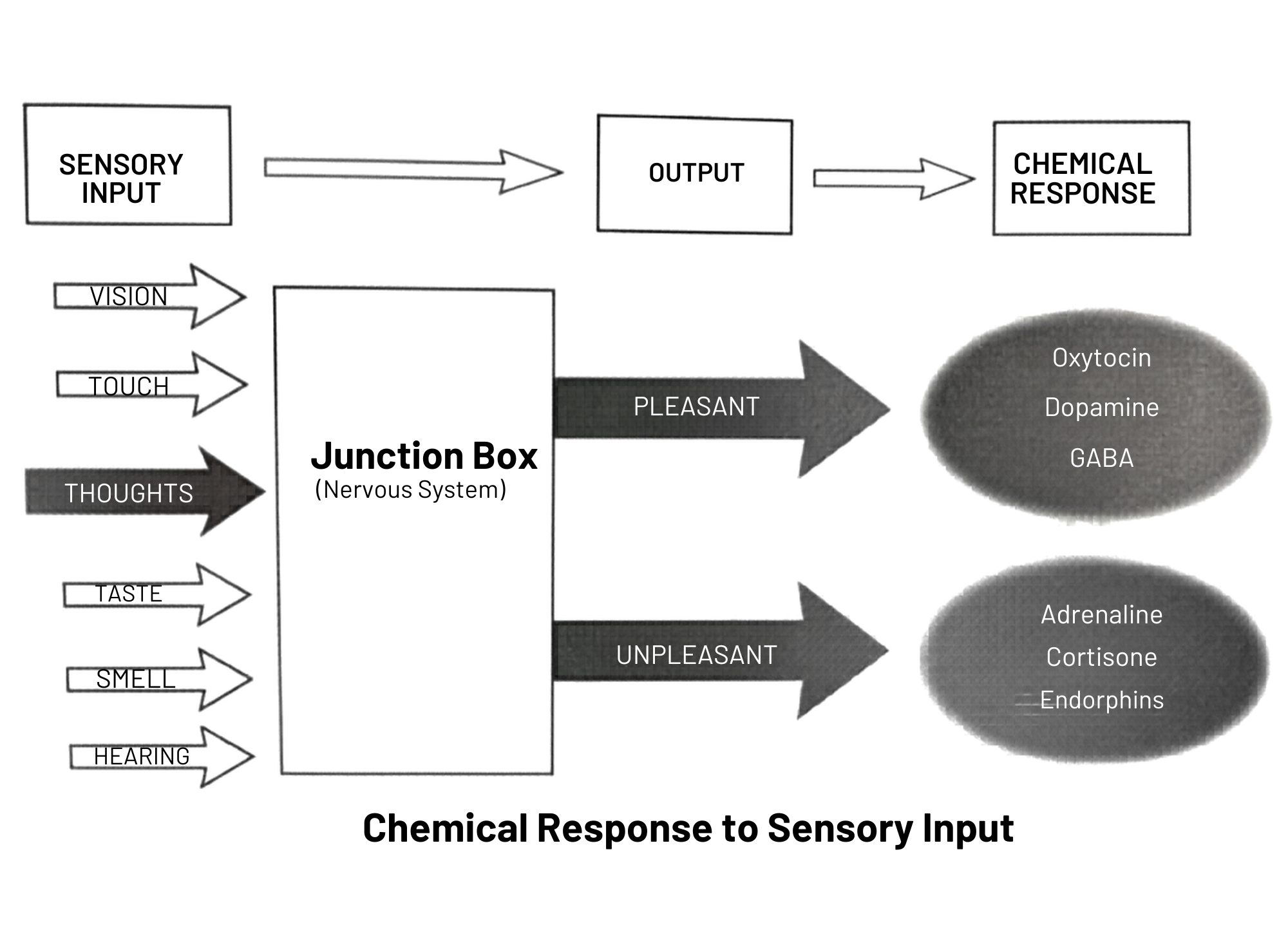
It turns out that certain kinds of experiences can make the brain more likely to mistake a safe input for a dangerous one and send a false alarm in response.
What these experiences have in common is they put the brain on high alert for signs of potential danger-they introduce an aspect of fear.
The construction worker's horror upon seeing the nail go through his boot? A form of fear. The test subjects' trepidation about a forthcoming head- ache? Fear again.
The participants' concern about the physical consequences of being rear- ended when they were in the whiplash simulator? You guessed it, fear.
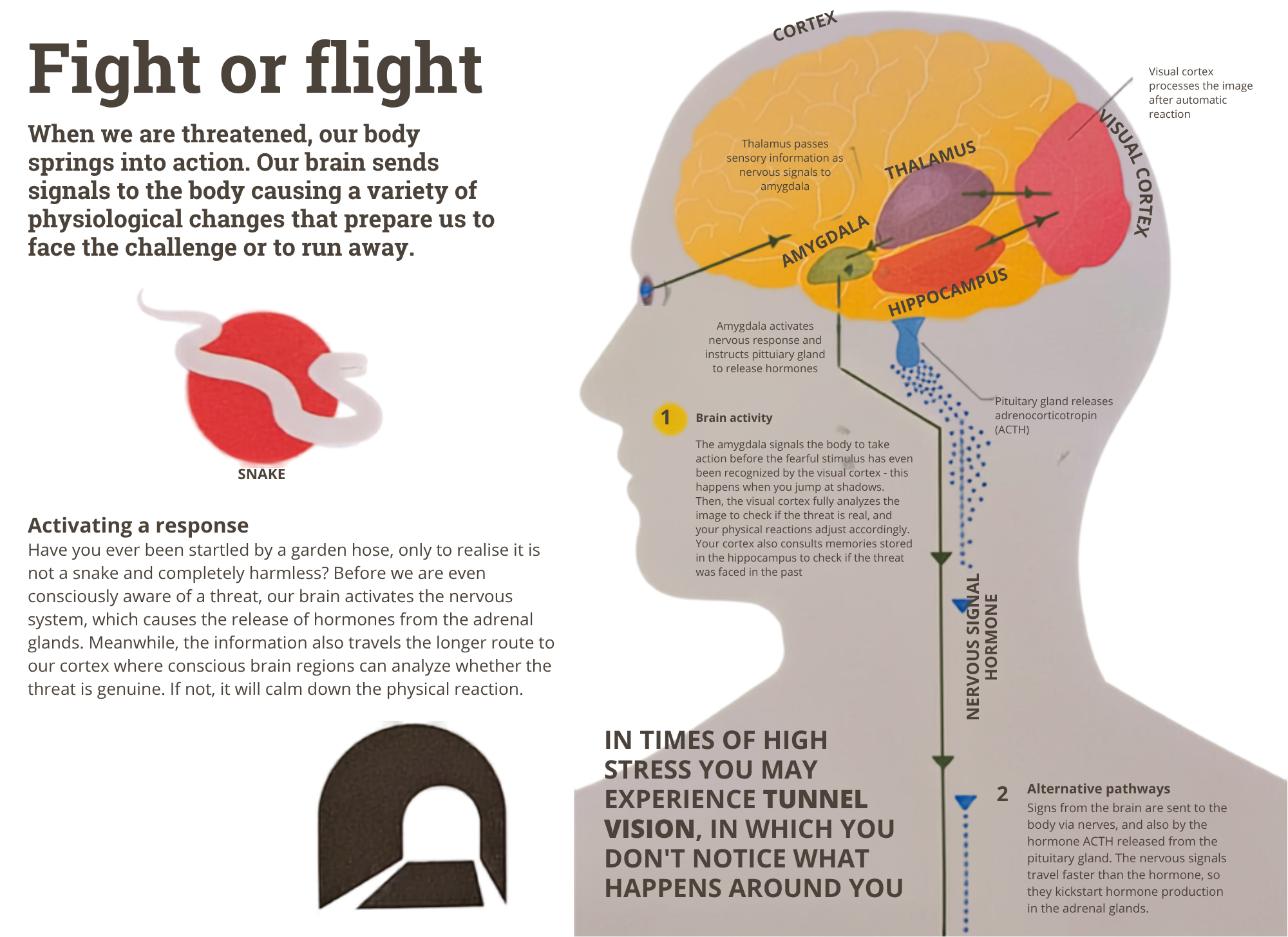
Fear puts our brains on high alert-it puts us on guard. In psychology, the word for this high alert state is hypervigilance.
Because the fearful brain is so preoccupied with protect- ing us from danger, it takes on even more of a better-safe-than-sorry attitude than it nor- mally would-the fearful brain would always rather err on the side of caution.
The problem is that when fear causes the brain to err on the side of caution, it makes it far more likely that neutral inputs will be mistaken for dangerous ones.
How the Brain Stops Pain
Fortunately, the dorsolateral prefrontal cortex and other areas, which are in the conscious part of the brain (the frontal lobe), can reverse the vicious cycle of pain by controlling the subconscious pathways.
The DLPFC is so powerful that it can eliminate painful experiences. It has been shown that people who habitually cut themselves with razor blades have much more tolerance for physical pain.
When their brains are scanned, their DLPFC area is very active, demonstrating the power that this brain area can have over pain.
When the DLPFC is activated, the ACC-the area that exacerbates pain-is automatically deactivated, thus further reducing pain.
I have shown that people can learn to decrease the ACC and increase the DLPFC and therefore reduce pain as well as psychological symptoms.
The exercises in this website are designed to increase activation of the DLPFC, decrease activation in the ACC and the ANS, extinguish triggers that perpetuate pain, and diminish the emotional responses from the amygdala.
That is why this program is so effective in curing the cycle of pain and Fibromyalgia.
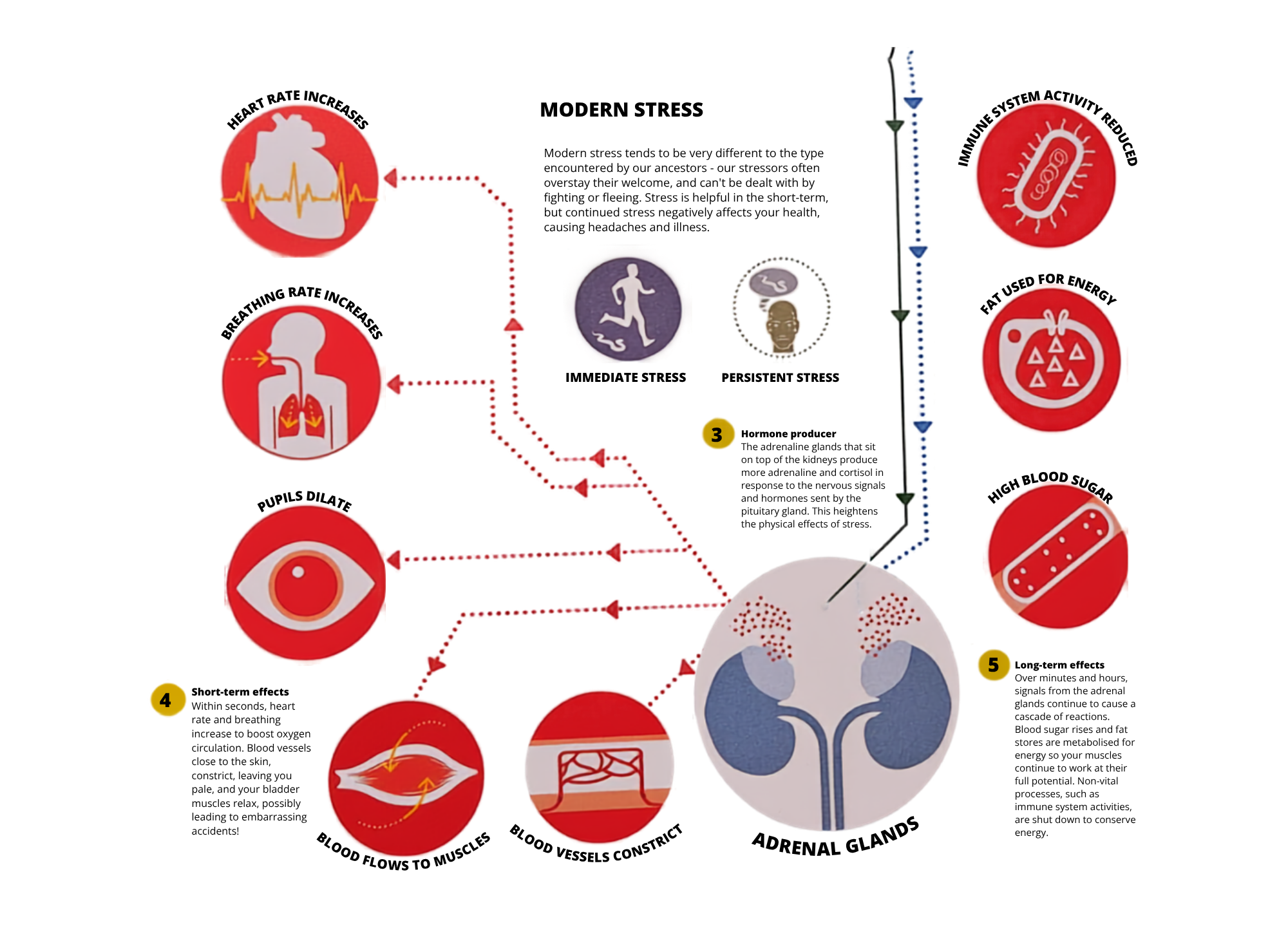
The processes of an overactive ANS and ACC which produce excessive muscle tension and spasm-and become triggered by a variety of activities, chemicals, and situations-are the cause of the majority of neck aches, back pains, tension headaches, migraines, intestinal spasms and discomfort, bladder spasms, the overall body pains of fibromyalgia, and many other conditions that are forms of pain.
If you have these conditions, and standard tests have not identified any clear medical pathology, then you can be reassured that there is none.
That is really good news. If your condition is caused by Fibromyalgia rather than a pathologic disease in the body, then a cure is truly possible.
All you have to do is figure out what physical and psychological processes have helped to create and perpetuate the symptoms and then work on reprogramming the brain in order to extinguish the neurological vicious cycle.
That is what this program does: it helps you your brain.
STEP 3: DETERMINE YOUR CORE ISSUES
Once you have carefully and honestly reviewed the stresses in your life, you will likely begin to see patterns.
You will be able to identify your "core issues," those issues that have been stored in your subconscious mind and are most likely to trigger the onset of physical and psychological symptoms.
Indicate which of the following patterns apply to you, or describe any other patterns that apply to you.
- Loss and abandonment (losing a parent or sibling, divorce, moving).
- Childhood abuse (physical, sexual, and/or emotional) or neglect (not feeling loved or cared for).
- Not fitting in or feeling ostracized (being shy and reserved, not being athletic or popular, being teased or picked on).
- Feeling pressure to succeed or be perfect (from parents, other family members, church or religious organizations, or self).
- Feeling inferior to siblings or other relatives (not as attractive, funny, athletic, interesting, accomplished).
- Never feeling good enough (having to "earn" love from parents, feeling criticized much of the time).
- Resentment and/or anger towards family members, neighbors and/or religious leaders.
- Identifying with one or several family members and trying to emulate them (trying to be different from one or several family members).
- Learning to be anxious, worried, or insecure.
- Other patterns.