
BNPT
BRAIN NEUROPLASTICITY PAIN TREATMENT
TRAIN THE BRAIN, TREAT THE PAIN
If your pain, anxiety, depression, fatigue or physical symptoms continue despite treatment,
your nervous system may be stuck in Over protection (Fight, Flight, Freeze & Shutdown mode)
Recovery starts by understanding how the brain generates symptoms.
Why Symptoms Continue Even After the Body Heals
If your pain has continued despite treatment,
this video explains why symptoms can remain even after tissue healing.
Understanding this is the first step toward recovery.
Conditions Often Linked to Nervous System Sensitization:
• Fibromyalgia
• IBS
• Chronic fatigue
• CRPS
• POTS
• Pelvic pain
• Migraines
• Neck pain
• Back pain
• Sciatica
• Long COVID symptoms
• Post-concussion syndrome
• Dizziness / Vertigo
• Heart palpitations
• Internal tremors
• Sensitivities (food, light, chemicals)
• Neuropathic pain
• Shoulder pain
• Knee pain
• Depression
• Derealization
• Somatoform
• Psychosomatic
• Anxiety
• And many more
Play Now
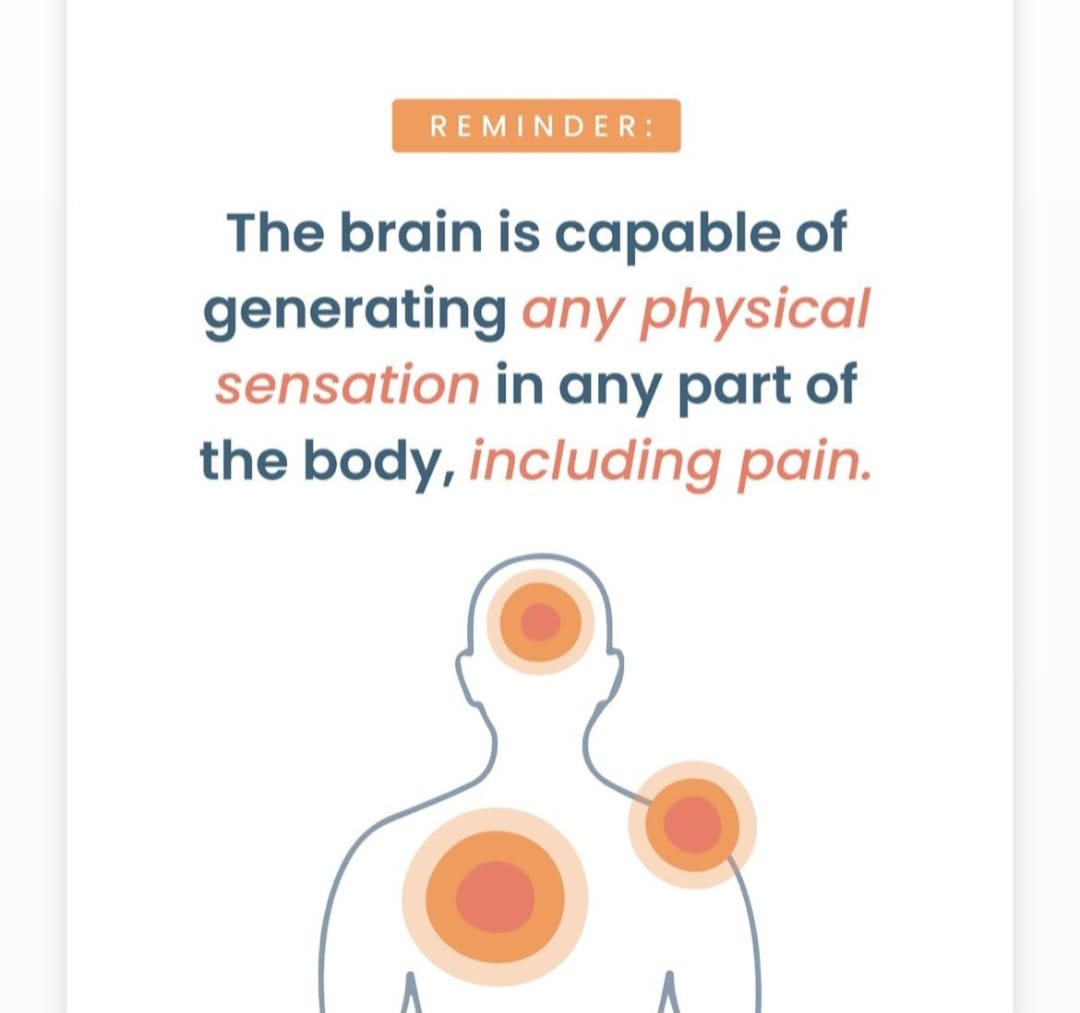
Many Parts of the Body Can Hurt
But Modern Science Shows the Brain Generates the Signal
Pain is not just a body issue.
Pain is a brain output.
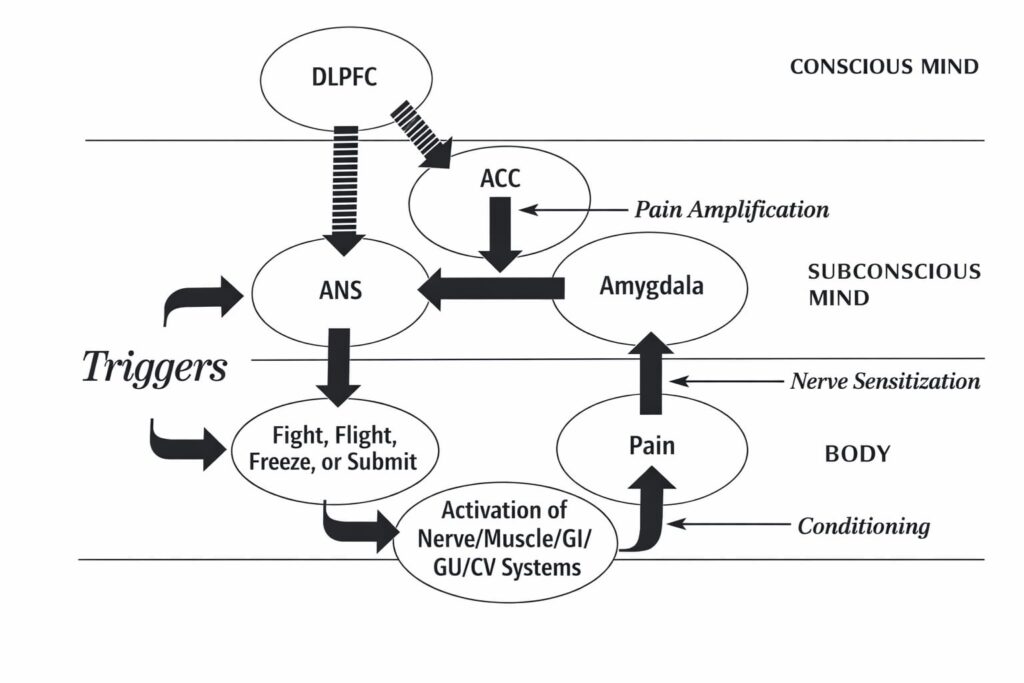
The brain evaluates danger and produces sensations to protect you.
Sometimes that protection (Fight, Flight, Freeze & Shutdown mode) system becomes overactive.
And that’s when symptoms persist.
Many patients believe persistent pain means something is still injured.
But modern neuroscience shows the brain can keep generating pain signals even after tissues recover.
The nervous system learns Over protection (Fight, Flight, Freeze & Shutdown mode) patterns.
The video you just watched explains how:
the brain predicts danger
the body reacts automatically
and why treatments aimed only at the body often fail
This does not mean the pain is imaginary.
It means the pain is real — but produced by a learned brain response.
Important Insights
When the brain learns pain, the solution is not stronger treatment —
the solution is retraining the brain’s safety system.
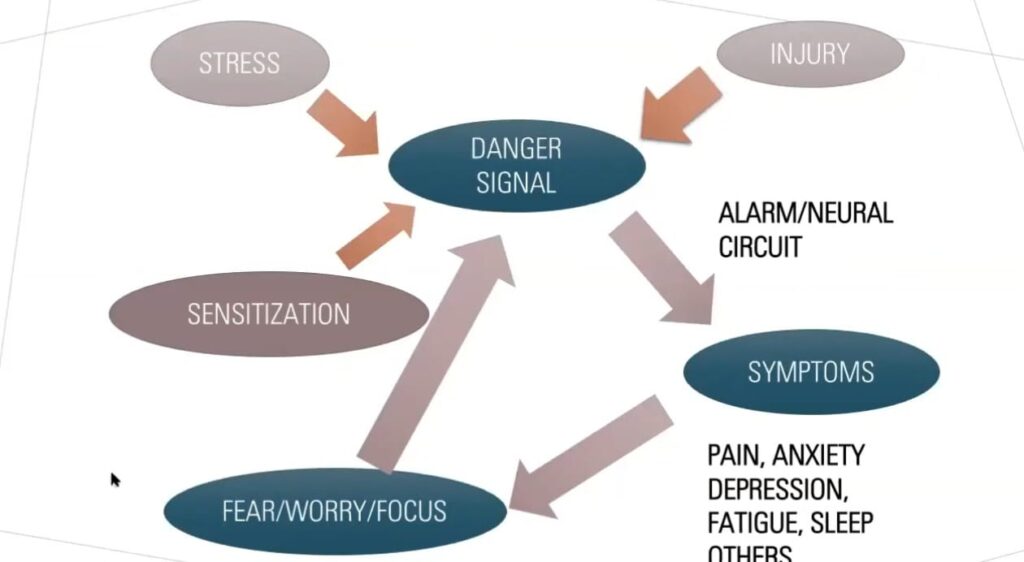
The Brain Predicts FALSE DANGER
Pain does not always mean damage.
Sometimes the brain predicts danger even when the body is safe.
This prediction activates the alarm system.
That alarm produces:
• Pain
• Fatigue
• Digestive issues
• Dizziness
• Anxiety
• Muscle tension
This Does NOT Mean Your Symptoms Are Imaginary.
It means your symptoms are real —
but they are being produced by a fearful brain response.
Your nervous system is over protecting you.
Even if Over protection (Fight, Flight, Freeze & Shutdown mode) is no longer needed.
The Brain Processes Emotion, Memory & Pain In Similar Regions
When emotional stress stays unresolved,
the alarm system stays active.
When safety is restored,
symptoms begin to quiet.
You are not broken.
Your nervous system learned Over protection (Fight, Flight, Freeze & Shutdown mode).
Now it can learn safety.
Subscribe to Real Recovery Stories
Watch how individuals retrained their brains and reduced chronic pain naturally.
Stay updated with real success journeys and practical recovery guidance.
Common pattern in patients
| Thoughts | Feelings | Behaviors |
|---|---|---|
| What if this pain means I have cancer or I’m seriously ill? | Tension | Fixating on the pain, watching it like a hawk |
| Is the pain back? Is it getting worse? Is it getting better? | Anxiety | Checking to see if the pain is there… getting worse… getting better |
| I need another MRI, expert opinion, etc. | Uneasiness | Preoccupation with the pain and how it’s affecting you |
| If the pain doesn’t get better, I won’t be able to… | Irritation | Trying to control the pain or make it go away (outcome dependence) |
| I hate my body! | Frustration | Bracing for the pain |
| I can’t handle this. | Resistance | Avoiding activities that trigger pain |
| What am I going to do if the pain never ends?! | Anguish | Complaining about the pain and your inability to fix it |
| I’m never going to feel good again… | Despair | Resigning yourself to a life of suffering |
| I give up. | Dissociation | Numbing out with drugs, alcohol, food, TV, etc. |
These abnormalities in MRI are normal with age do not causes pain and other symptoms
| Condition | 20 yr | 30 yr | 40 yr | 50 yr | 60 yr | 70 yr | 80 yr |
|---|---|---|---|---|---|---|---|
| Disk Degeneration | 37% | 52% | 68% | 80% | 88% | 93% | 96% |
| Disk Bulge | 30% | 40% | 50% | 60% | 69% | 77% | 84% |
| Disk Protrusion | 29% | 31% | 33% | 36% | 38% | 40% | 43% |
| Annular Fissure | 19% | 20% | 22% | 23% | 25% | 27% | 29% |
| Facet Degeneration | 4% | 9% | 18% | 32% | 50% | 69% | 83% |
| Spondylolisthesis | 3% | 5% | 8% | 14% | 23% | 35% | 50% |
Neuroplastic Disorders We Address
The brain is capable of generating any physical sensation in any part of the body — including pain.
When the nervous system becomes sensitized, it can create real symptoms without ongoing tissue damage.